For many organizations, cybersecurity has traditionally been treated as a compliance requirement—an obligation to meet standards, pass audits, and satisfy regulatory checkboxes. But as cyber threats grow more sophisticated and supply chains become more interconnected, checkbox compliance is no longer enough. Today’s leaders need real, measurable insights into their security posture. They need to understand not just whether they are compliant, but whether they are truly secure.
This shift—from compliance to measurable security outcomes—starts with identifying cybersecurity metrics that actually matter. These metrics help enterprises quantify risk, prioritize investments, and elevate security conversations to the executive level.
Why Compliance Alone Isn’t Security
Compliance frameworks such as SOC 2, ISO 27001, HIPAA, or NIST provide important guardrails, but they are not designed to address every evolving threat. Many major breaches occurred at companies that were fully compliant on paper. The gap comes from the fact that compliance is static, while cybersecurity must be continuous.
Compliance tells you:
-
What minimum controls should exist
-
Whether policies meet standards
-
How risk is documented
But security requires:
-
Ongoing monitoring
-
Threat detection and response
-
Data-driven decisions
-
Measuring real-world effectiveness
To protect modern enterprises—especially those using cloud tools, Microsoft 365, and remote/hybrid work environments—organizations must track metrics tied to outcomes, not just checklists.
Key Metrics for Measuring Cyber Risk Reduction
Cyber risk reduction focuses on how effectively an organization is minimizing vulnerabilities and preventing incidents. The following KPIs give leaders a clear picture of their risk posture:
1. Vulnerability Remediation Time
This tracks how long it takes to fix critical vulnerabilities after they are identified. Fast remediation is one of the clearest indicators of a strong cybersecurity program. High-performing teams typically see reduced exposure windows through automated patching, asset management, and centralized security operations.
2. Number of Unmanaged or Unknown Assets
Unmanaged devices represent significant risk. A single unprotected endpoint can become an entry point for attackers, especially when third-party vendors or contractors access company systems. Modern cybersecurity solutions improve asset visibility, ensuring every device, user, and connection is monitored.
3. MFA Adoption Across All Accounts
Multi-factor authentication (MFA) continues to be one of the most impactful risk reduction methods. Measuring MFA adoption among internal teams and third parties highlights gaps where account takeover risk remains high.
4. Configuration Drift and Policy Compliance Rates
Even with strong policies, misconfigurations can quietly introduce risk. Organizations that standardize device, identity, and application configurations—especially using cloud-based tools—can drastically reduce security drift.
Metrics for Incident Response Efficiency
Once an incident occurs, response speed and quality determine how much damage is avoided or contained. These metrics allow organizations to measure readiness before an event becomes catastrophic.
1. Mean Time to Detect (MTTD)
This measures how long it takes to identify suspicious behavior or an active threat. Shorter detection times mean threats are contained earlier, reducing impact. Organizations using managed detection or advanced analytics typically see much lower MTTD.
2. Mean Time to Respond (MTTR)
This tracks how long it takes to respond once a threat is detected. MTTR includes identifying the incident, isolating the system, removing the threat, and restoring operations. Enterprises using IT managed services often see faster response times because issues are addressed 24/7.
3. Incident Containment Rate
This percentage shows how many threats are contained before they escalate. High-performing organizations use tools such as automated isolation, endpoint detection, and network segmentation to keep incidents from spreading.
4. False Positive Rate
A high false positive rate overwhelms security teams and slows their ability to respond. Measuring this metric helps organizations assess the quality of their detection tools and the efficiency of their SOC workflows.
Metrics for Threat Detection Effectiveness
Effective threat detection requires both visibility and the ability to interpret activity across the network, cloud, and supply chain.
1. Detection Coverage
This measures how many attack vectors and environments are actively monitored. Areas often overlooked include:
-
Cloud apps
-
SaaS configurations
-
Third-party integrations
-
Privileged accounts
Coverage gaps can allow attackers to move undetected.
2. Lateral Movement Detection Rate
Once inside a system, attackers commonly try to move laterally. Detecting these movements is critical. AI-driven solutions integrated into a modern workplace environment can help identify suspicious lateral activity earlier.
3. Threat Hunting Success Rate
Organizations that perform proactive threat hunting—not just passive monitoring—have significantly stronger detection outcomes. This metric measures how often hunts result in validated findings.
4. Privileged Access Misuse Alerts
Privileged accounts are especially valuable targets. Tracking how many alerts are triggered by unusual privileged behavior provides insight into potential internal threats or account compromise attempts.
How Dashboards & Analytics Guide Better Decision-Making
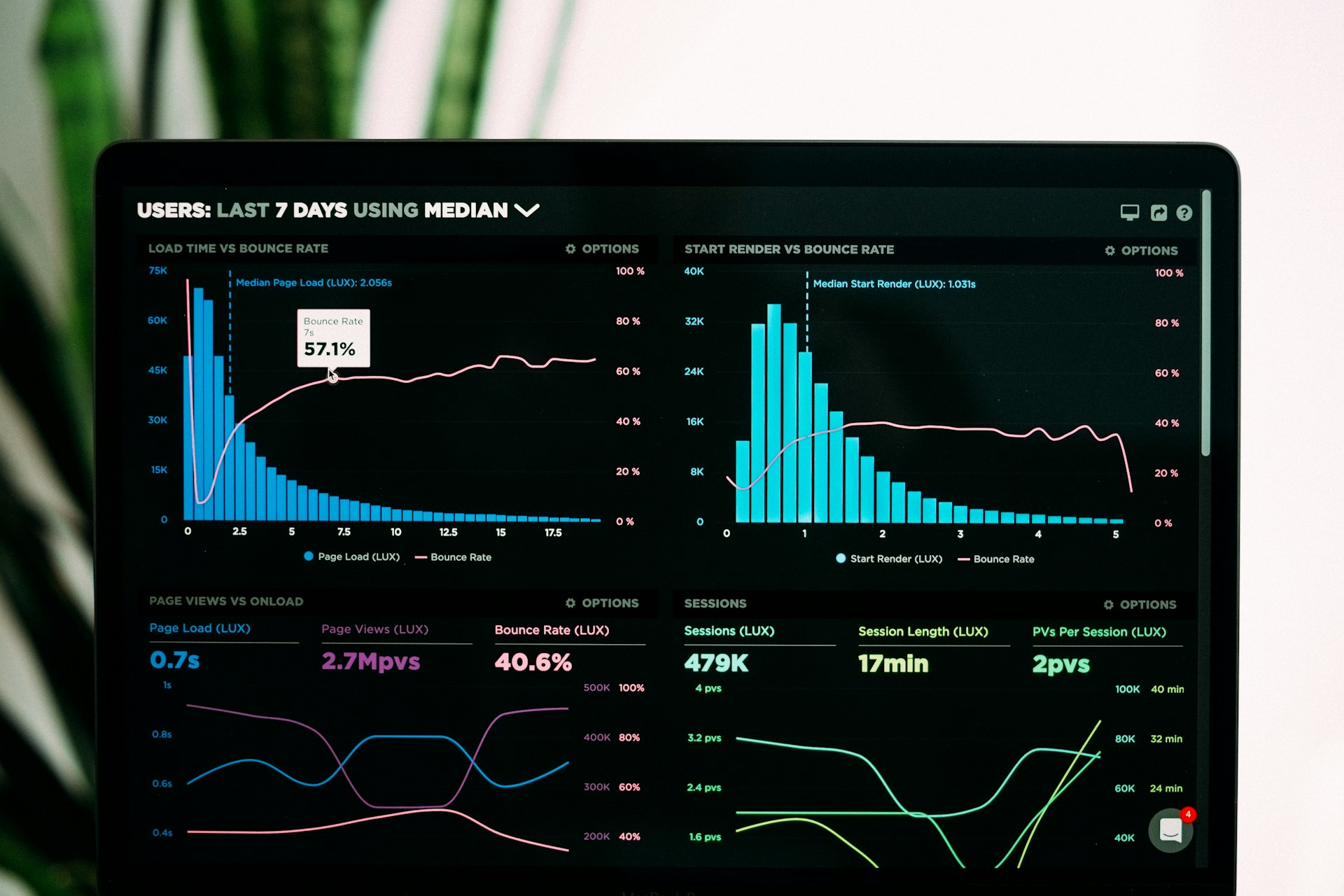
Executives need visibility into cybersecurity performance, but they don’t need technical overload. This is where dashboards and analytics become invaluable.
1. Unified Security Dashboards
A well-built dashboard combines signals from identity tools, endpoints, cloud applications, and security monitoring platforms. With Microsoft-based environments, many organizations integrate dashboards directly into their business applications for easier reporting.
2. Executive-Friendly KPIs
C-suite leaders need metrics tied to business outcomes:
-
Financial impact avoided
-
Downtime prevented
-
Incident trends
-
Vendor risk ratings
-
Compliance readiness
These indicators help leaders understand ROI on security investments.
3. AI-Enhanced Reporting
AI platforms like Copilot help synthesize large amounts of security data into actionable insights. Copilot can:
-
Summarize incidents
-
Identify risk trends
-
Generate executive reporting
-
Flag gaps in controls or configurations
These insights help transform raw data into strategic decisions.
4. License & Access Governance
Managing the users, devices, and access rights across a distributed workforce requires the right software licensing model. Tools like CSP licensing ensure correct provisioning and reduce shadow IT risk.
Beyond Compliance: Building a Metrics-Driven Cybersecurity Program
Moving beyond compliance requires aligning security metrics with business goals. Here are key steps organizations can take:
1. Define Clear Objectives
Whether your goal is risk reduction, faster incident response, or improved visibility, selecting the right KPIs ensures your program is measurable.
2. Continuously Monitor Third-Party and Supply Chain Risk
Vendor breaches remain a top attack vector. Monitoring third-party access and evaluating vendor posture should be a permanent part of your cybersecurity metrics plan.
3. Integrate Metrics Across Systems
Data should flow between identity systems, endpoints, cloud tools, and monitoring solutions so your dashboards provide a full picture.
4. Leverage Managed Services for Scalability
Security teams often struggle with limited staff and rising alert volumes. Partnering with experts ensures around-the-clock monitoring, remediation, and strategic guidance.
Conclusion
Cybersecurity must evolve from a compliance checklist to a measurable, outcomes-focused discipline. By tracking metrics that truly matter—such as risk reduction, detection effectiveness, and incident response speed—organizations can build a resilient, data-driven security program.
Enterprises seeking to strengthen their cybersecurity posture, enhance reporting, and integrate analytics into decision-making can benefit from partnering with KMicro. With deep expertise in Microsoft technologies, managed IT, and cybersecurity operations, KMicro helps organizations turn data into actionable security outcomes, enabling leaders to protect their business with confidence.
-

What Is Identity Threat Detection and Response (ITDR) and Do You Need It in 2026?
31 Mar, 2026
-

How Do Hackers Bypass Multi-Factor Authentication (MFA)?
31 Mar, 2026
-
How AI Is Transforming Cybersecurity
31 Mar, 2026
-

Zero Trust Security in Practice: How to Build a Resilient Enterprise Defense Strategy
31 Mar, 2026
-

The Rise of Ransomware-as-a-Service (RaaS): How Businesses Can Stay Protected
31 Mar, 2026